Fabien is a community volunteer with Chance for Childhood, supporting our work in the Kyaka II refugee settlement in Uganda. The area is home to over 28,000 people, many of them refugees who have fled violence in neighbouring Democratic Republic of the Congo (DRC). Fabien worked closely with families as part of our Best Start Together project to encourage them to enrol their children with disabilities in school. He told us a bit about his experience and what motivates him to support us:
I first heard about Chance for Childhood from a friend who told me about the organisation’s work supporting vulnerable children in the Kyaka II refugee settlement. I became interested because I have always believed that every child deserves the opportunity for a better future.
During my orientation, what impressed me most was the Safeguarding Policy and Code of Conduct. I learned that children should not be ‘overexposed’, so their dignity and privacy must always be protected (read about the #OverExposed campaign here). We avoid exposing their faces or personal information unnecessarily. This respect showed me that the organisation works with professionalism and responsibility. Its values motivate me every day and help me grow.
Before volunteering with Chance for Childhood, I participated in the Kulea Watoto project implemented by the International Rescue Committee and Kabarole Research and Resource Centre. I supervised more than fifteen parent groups, guiding caregivers on child protection, wellbeing, and education. We worked with parents and encouraged them to send their school-age children to school, ensuring children could access learning. These experiences helped me understand the challenges families face in the settlement.
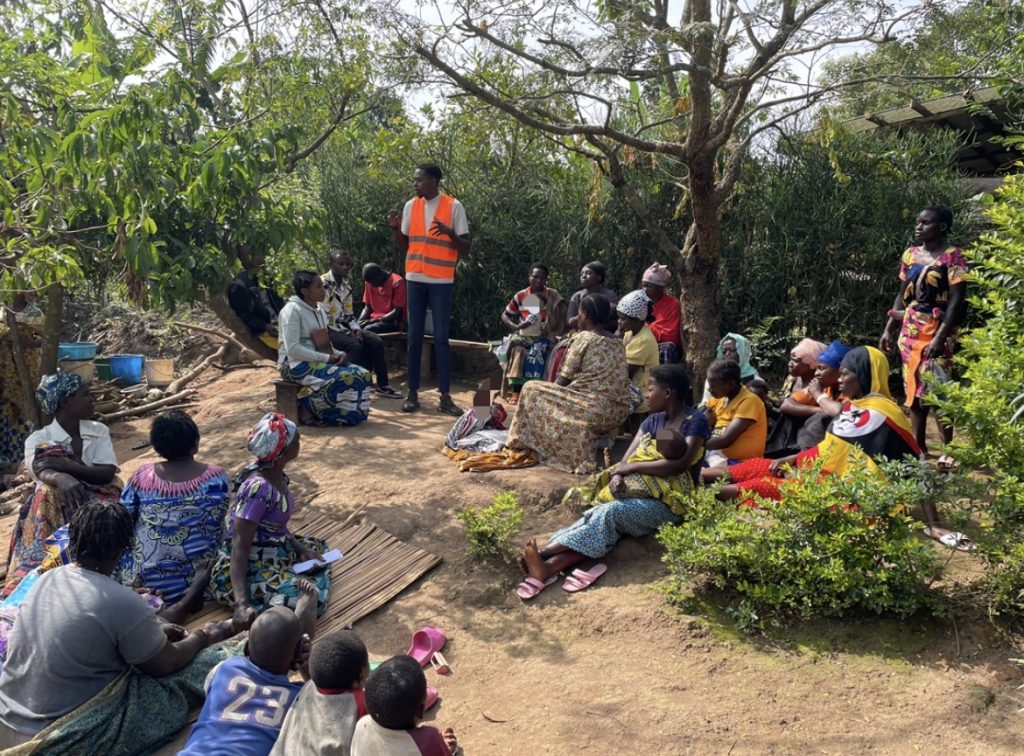
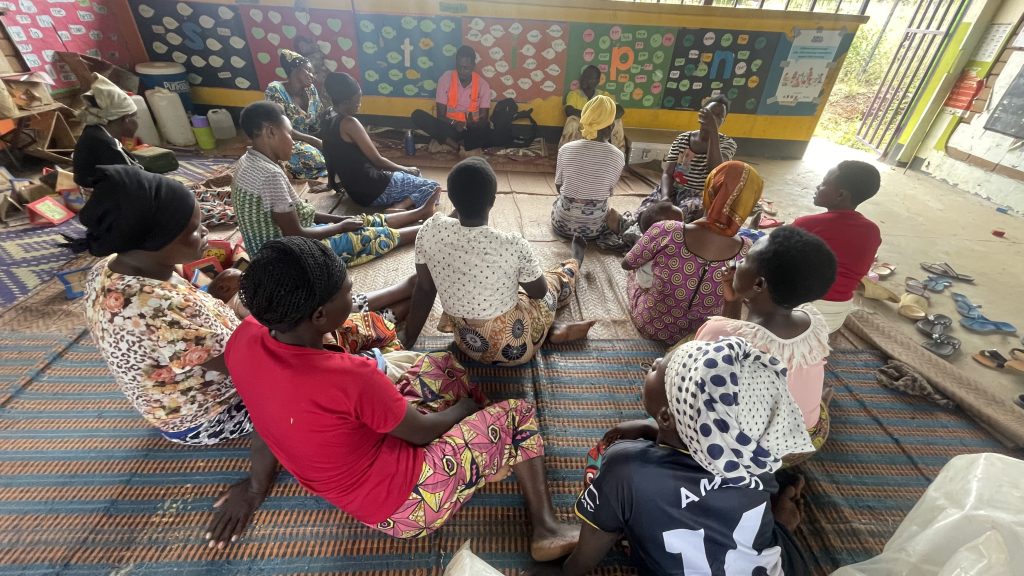
My personal story also strongly shapes my motivation for volunteering. I completed secondary school in biology and chemistry and later pursued three years of university studies in Human Medicine because my passion has always been helping people and saving lives. However, my studies were interrupted when my family could no longer support my education. I travelled to North Kivu in the Democratic Republic of Congo hoping a relative could assist me, but conflict broke out and armed groups attacked the town. I fled with others to Uganda where I now live as a refugee.
Within the Best Start Together project, mentorship and supervision from my project manager helped me gain confidence and improve my communication and engagement with the community.
| “Seeing a mother’s fear turn into hope was very powerful” |
Community work also comes with challenges. Some parents focus only on immediate survival and struggle to see the long‑term importance of education. Sometimes my young age makes it difficult for people to trust my advice at first, but with dialogue and patience, attitudes gradually change.
I remember meeting a mother who hesitated to enrol her son because of his physical disability. She feared he would be rejected. After several discussions about inclusive education and available support, she agreed to try. Weeks later, she told me how happy he was attending school and playing with other children. Seeing her fear turn into hope was very powerful.
Through this experience, I have learned that inclusion is not only about access to education — it is about dignity, confidence, and belonging. Being part of this work continues to inspire me to support children and families every day.