Project overview
Education – The Right for Every Child is an inclusive education project in the North Kivu region of the Democratic Republic of Congo (DRC), jointly implemented by Chance for Childhood and our local partner Children’s Voice. Launched in April 2024, this project responds to the unmet educational needs of war-affected, marginalised children, including girls and children with disabilities or special educational needs. It will provide access to education for 1,200 out-of-school children, along with psychosocial support and community engagement.
Why is the project needed?
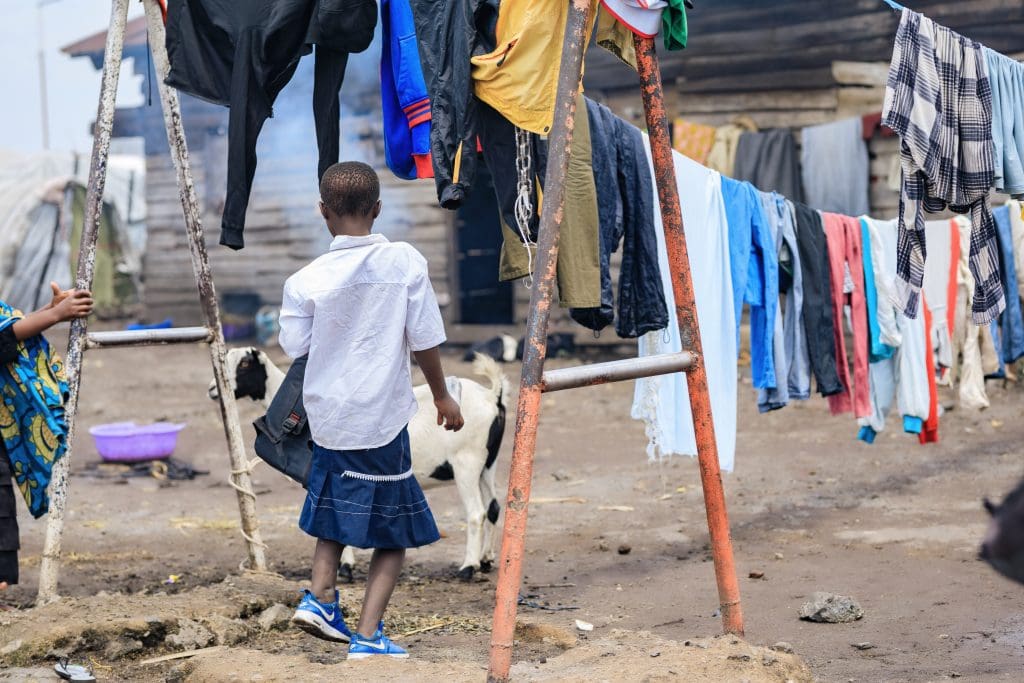
The Democratic Republic of Congo faces one of the world’s largest education crises, with nearly seven million children aged five to 17 out of school. The North Kivu region has been devastated by conflict, displacing more than 5.3 million people. In this region, over 40% of children are not attending school. Without education, these children, especially girls and those with disabilities, face significant challenges – including increased vulnerability to violence and exclusion. This project directly addresses the barriers these children face in accessing education, providing not just learning opportunities but also the psychosocial support needed for healing and inclusion.
Education – The Right for Every Child has persevered through a period of upheaval in North Kivu, following the takeover of Goma by the M23 armed group in January 2025, and is continuing to support children despite the significant challenges in the region.
Project objectives
- Increased educational enrolment, retention and attainment for 1,200 out-of-school war-affected children.
- Improved inclusive learning environment for 5,000 children, including girls and those with disabilities, in 15 project schools via the recruitment and training of learning support assistants (LSAs) and teachers.
- Increased incomes for 200 vulnerable families including families of children with disabilities or special educational needs (SEN).
- Improved attitudes amongst parents and community members regarding education, especially for girls and children with disabilities/ SEN.
Our impact so far
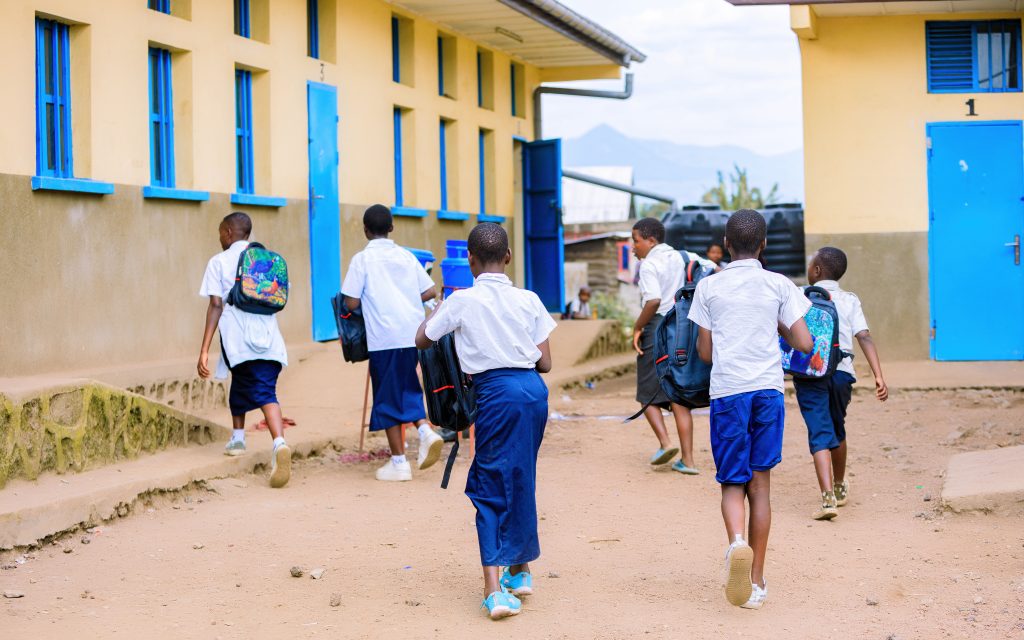
- 335 out-of-school children have been enrolled across 15 partner schools giving them access to quality education. 306 of those children have a disability, with intellectual or learning disabilities being the most common impairment.
- One Learning Support Assistant is now present at each of the 15 partner schools, creating a more inclusive learning environment for over 5,000 students across those schools.
- Village Savings and Loan Associations (VSLAs) have been set up among parents to help boost their incomes. They are now operating at 10 of 15 schools, with an average of 10 members per group, indicating a reach of around 100 families. The remaining five groups are currently undergoing training so they can establish themselves. Parents are now receiving loans, which have been used to start small businesses and/or buy livestock for breeding – helping to cover food costs, school fees and uniforms.
- We have seen positive changes in community, parent, teacher, and child attitudes around disability inclusion and girls’ education.
By addressing both the educational and psychosocial needs of these children, we aim to create sustainable, long-term change for marginalised children in North Kivu.