Project overview
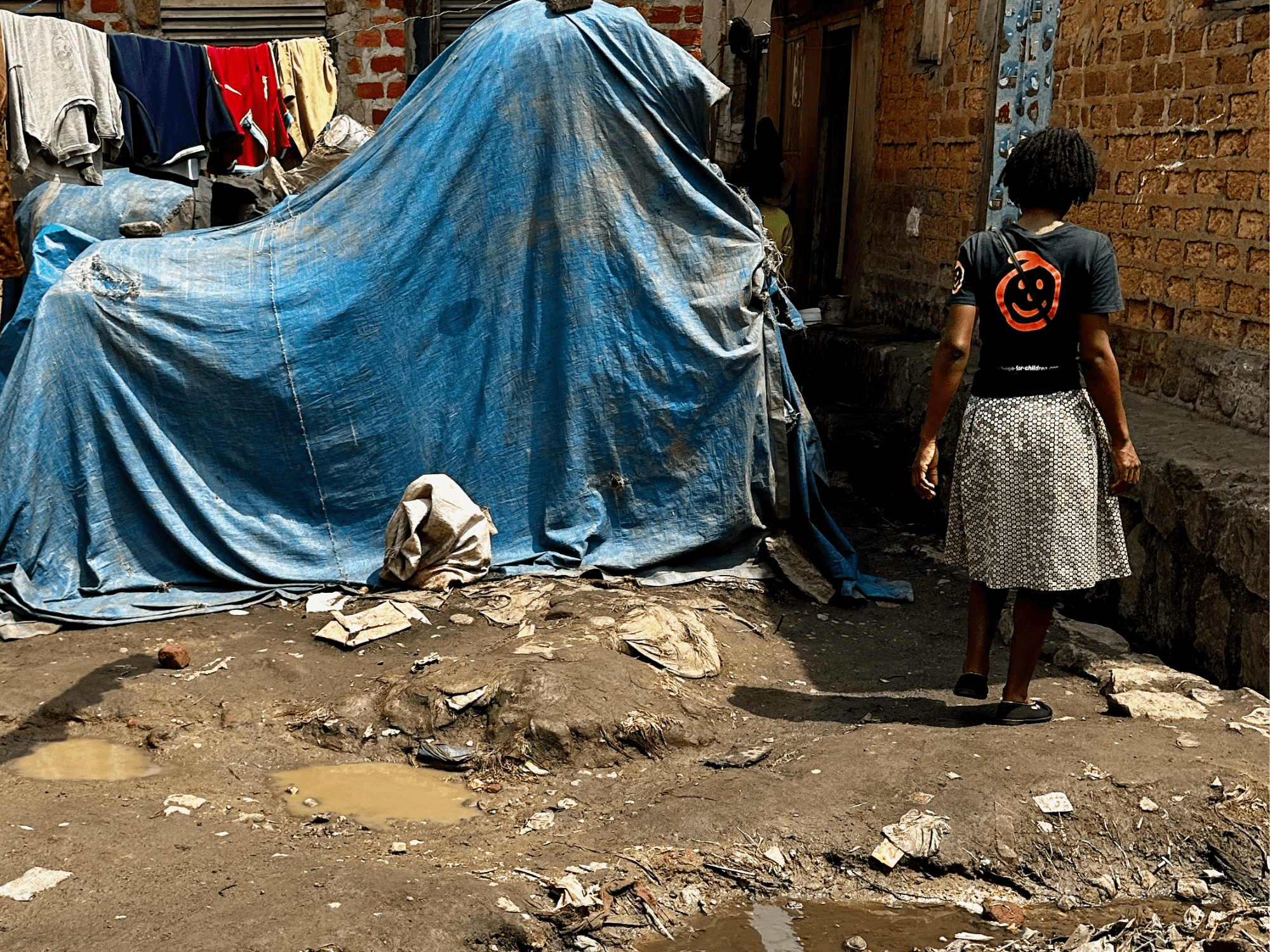
Namuwongo is a complex environment where children face numerous risks, including child labour, exploitation, abuse, and delayed teenage pregnancies. Many children are at risk of dropping out of school or never enrolling at all. Without access to education, these children are left vulnerable and without opportunities for a better future.
The Walk to School programme addressed these challenges by providing children with access to quality education and protecting them from the dangers of street life. The programme equipped children with foundational literacy and numeracy skills, while also educating them and their families about their rights.
Why was the project needed?
The Walk to School programme was launched in 2008 with the goal of providing children in the Namuwongo settlement with access to education and improving their overall quality of life. The programme began when Hope for Children registered 92 children at St Barnabas School in Kampala, with the generous sponsorship from a single donor, Mr. Chris Hughes. Since its inception, the programme has grown significantly and supported 188 children, helping them stay in school, develop critical literacy and numeracy skills, and avoid the risks of street life. The project ended in December 2025.
Project objectives
The Walk to School programme focused on several key objectives:
- Improving Literacy and Numeracy Skills: All students in the programme have shown improvement in their literacy and numeracy skills. These are essential for their future success, and without the programme, these achievements would have been unlikely.
- Reducing Child Labour and Teenage Pregnancy: By keeping children in school and off the streets, the programme has significantly reduced instances of child labour and delayed teenage pregnancies. Children and their families have learned about their rights, leading to greater protection and opportunities for the children.
- Providing Long-Term Support and Stability for children and their families.
Our impact
The Walk to School programme has demonstrated lasting positive effects on the children and families involved.
The project has enabled a cohort of young people to graduate and achieve educational success:
- 5 young adults graduated with degrees after completing Senior 6.
- 21 graduates earned certificates in various fields after completing Senior 4.
- 10 young adults currently pursuing degrees, diplomas, or certificates after completing Senior 6.
- 15 young adults are pursuing vocational certificates after completing Senior 4.
- 12 young adults completed S.6 and are either working or continuing with tertiary education.
- 9 students completed S.4 and have secured employment.
Improved Literacy and Numeracy: All students who participated in the programme have shown marked improvements in literacy and numeracy, setting them up for future success.
The project has also contributed to significant improvements in the local community:
- Hygeine has improved and incidences of flooding reduced with the construction of 1,000km of drains built in the community.
- Families report a 90% improvement in their wellbeing, from greater income stability to better emotional resilience.
- Children who may have otherwise been on the streets or working menial jobs are now educated and ready for their futures.
Success Stories
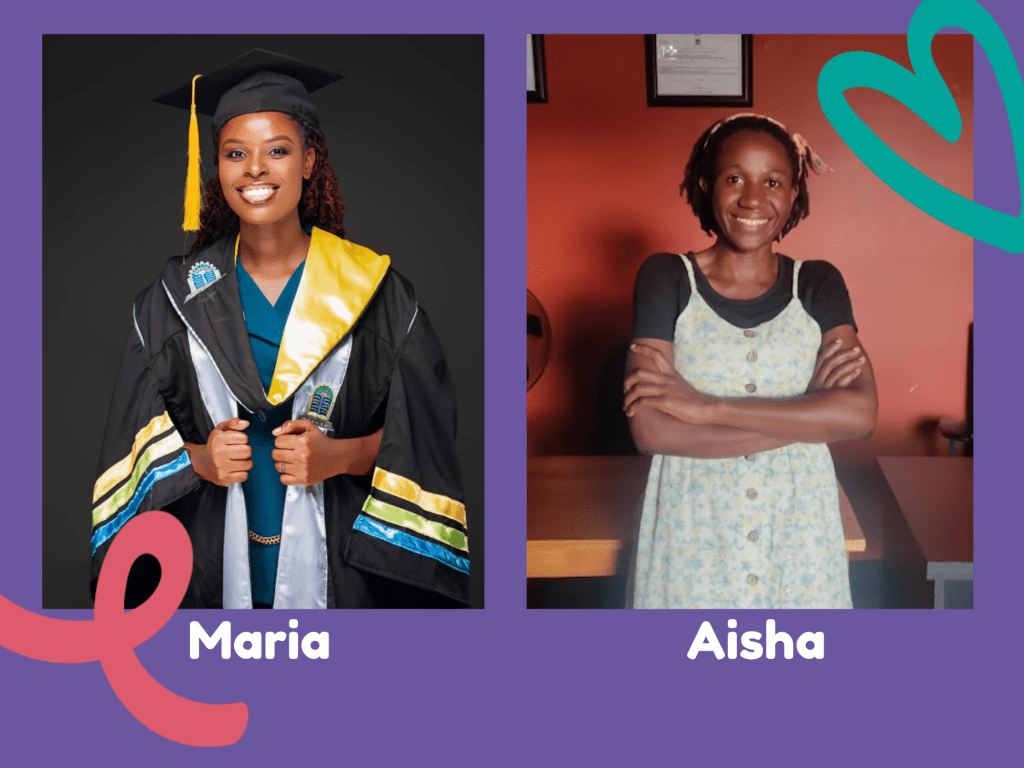
Aisha was enrolled in the Walk to School programme at the age of 13. Now, she is a key member of the Hope for Children staff team in Namuwongo, helping other children in the same situation she once faced. Her story highlights the long-term, transformative impact the programme can have, not just for individuals, but for the wider community.
Maria has recently graduated with a degree in Community Based Rehabilitation. She joined Walk to School at ten years old. read her story here.